
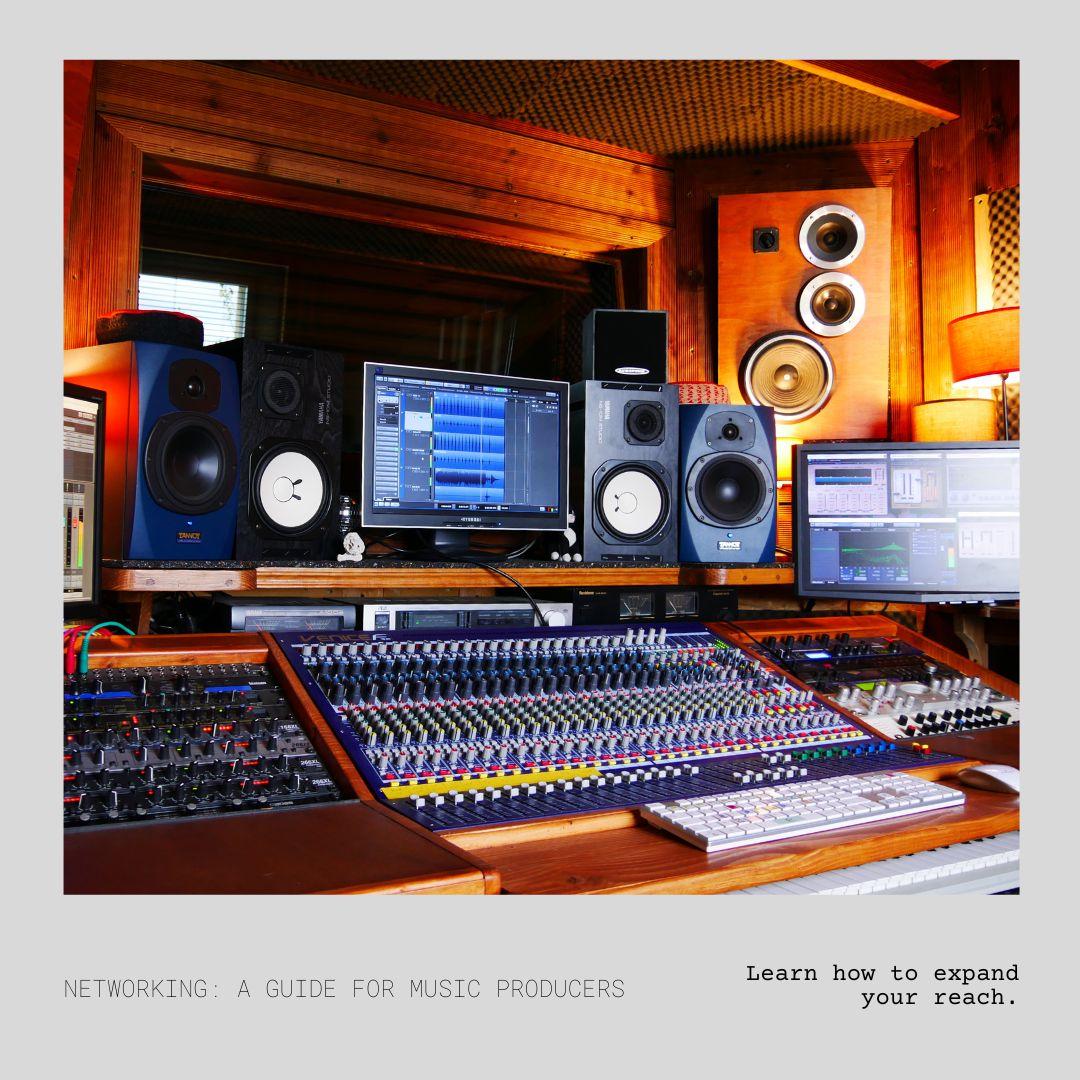
In the dynamic world of music production, the art of networking transcends beyond just a skill – it's a crucial lifeline. As we step into 2024, the landscape of the music industry continues to evolve, shaped by technological advancements. This evolution has not only altered the way music is produced and consumed but has also redefined how producers connect, collaborate, and cultivate their careers.
For aspiring and established music producers alike, understanding and mastering the art of networking is more vital than ever. This blog essay delves into the multifaceted world of networking in the music industry, offering insights, strategies, and real-world examples to help you navigate and thrive in these exciting times.
Understanding the Music Industry Landscape
As we embrace 2024, the music industry continues to thrive on innovation and connectivity. The rise of digital platforms has not only democratized music production but has also opened doors to a global audience. This era marks a shift from traditional gatekeeping to a more inclusive, community-driven approach, where talent and creativity are the primary currencies.
The Platform Revolution in Music Networking
Platforms like Beatstars, Trakjungle, Airbit have revolutionized networking by offering a digital space where producers can showcase their work, collaborate, and learn from each other. This virtual ecosystem breaks down geographical barriers, allowing producers to connect with collaborators worldwide, regardless of their physical location. For music producers, understanding and leveraging these platforms is key to building a successful career in today’s industry.
The Importance of Community
In this digital age, the concept of community has taken on a new significance. Music producers now have the opportunity to be part of online communities where they can find mentorship, support, and inspiration. Beat selling platforms are not just about selling beats or acquiring resources; they're about building relationships with peers who are on a similar journey, sharing experiences, and growing together.
Building a Strong Online Presence
As a music creator, it is essential to have an online presence. Your online profile is often the first impression you make on potential collaborators and industry professionals. For music producers, it's essential to create a profile that not only showcases your talent but also reflects your unique artistic identity. Ensure your profile includes high-quality samples of your beats, a brief but compelling biography, and any notable collaborations or achievements.
Showcasing Work Effectively
Your online portfolio should be a testament to your skills and versatility as a producer. Share a range of beats that showcase your proficiency across different sub-genres. Include detailed descriptions with each beat, explaining the inspiration, the process, and any particular elements that highlight your unique style. This approach not only attracts potential collaborators but also helps in establishing your brand as a producer.
Leveraging Social Media and Music Streaming Platforms
Social media platforms like Instagram, Twitter, and TikTok have become invaluable tools for networking and promoting music. Regularly post about your projects, behind-the-scenes content, and any collaborations to engage with your audience and attract new followers. Additionally, being active on music streaming platforms like SoundCloud and Spotify can increase your visibility. Share your beats, create playlists, and interact with other artists’ content to build a broader network.
Engaging with the Community
Active engagement in online communities is crucial for networking. Participate in discussions on producer forums, comment on other producers' work, and share your experiences and tips. This kind of interaction not only helps in building relationships but also establishes you as an active and supportive member of the music production community.
Networking Through Collaborations
Collaborations are a cornerstone of the music industry. They are not just about creating music together; they're about blending diverse talents, experiences, and audiences. A successful collaboration can open doors to new opportunities, expand your audience, and add depth to your portfolio.
Connecting for Collaborations
Platforms like Trakjungle are ideal for finding potential collaborators. Look for artists or producers whose style complements or challenges your own. Reach out with a personalized message, expressing your admiration for their work and propose a collaboration idea. Be clear about what you bring to the table and be open to their creative inputs.
Fostering Long-Term Relationships
Beyond the initial collaboration, focus on building a lasting relationship. Stay in touch, support their future projects, and be open to working together again. Networking is not just about expanding your contacts; it’s about nurturing relationships that can lead to growth and opportunities over time.
Attending Events and Utilizing Contacts
In an increasingly digital world, the value of face-to-face interactions remains significant. Attending music industry events like conferences, workshops, and shows is a powerful way to network. These events provide opportunities to meet industry professionals, fellow music producers, and potential collaborators in a more personal setting.
Identifying Key Events
For music producers, it’s important to identify events that align with your musical focus and career goals. Research upcoming events on producer forums, social media platforms, industry publications. Look for events that offer not just performances, but also panels, workshops, and networking sessions.
Making Lasting Connections at Events
When attending these events, aim to make meaningful connections rather than collecting a large number of contacts. Engage in genuine conversations, express interest in others' work, and exchange contact information with a plan to follow up. Remember, a few strong connections can be more valuable than numerous superficial ones.
Leveraging Existing Contacts
Your existing contacts can be a gateway to new opportunities. Don't hesitate to reach out to people you've previously connected with for introductions or advice on navigating events. Often, a recommendation from a mutual contact can open doors that would otherwise remain closed.
The Role of Mentorship
Seeking mentorship can be a game-changer in your networking efforts. Mentors provide guidance, share industry insights, and can introduce you to their network. Look for mentorship opportunities through events, online platforms, and within your existing network.
Navigating Challenges and Setbacks
Networking in the music industry, can come with its own set of challenges. These can range from facing rejection to navigating competitive environments. It’s important to recognize these challenges as part of the journey and not as roadblocks to your success.
Overcoming Rejection
Rejection is a common experience in the industry, especially when reaching out for collaborations or opportunities. It's crucial to not take rejections personally. Use them as learning experiences to refine your approach and continue building your network with persistence and positivity.
Dealing with Competition
The music industry is undoubtedly competitive. Instead of viewing other producers as rivals, consider them as potential collaborators and sources of inspiration. Engaging with your peers in a supportive manner can lead to mutual growth and opportunities that might not be possible alone.
Nurturing Resilience
Building a network doesn’t happen overnight. It requires resilience, patience, and consistent effort. Stay committed to your goals, keep refining your skills, and maintain a positive attitude. Remember, every interaction and experience contributes to your growth as a music producer.
Staying Ahead: Future Trends and Continuous Learning
The music industry is constantly evolving, with new trends emerging regularly. As a music producer, staying abreast of these trends is crucial. This means not just following the latest in musical styles, but also understanding new technologies and platforms that can impact how music is produced and shared. For instance, the rise of AI in music production and the growing importance of virtual collaborations are trends to watch out for.
Continuous Learning and Adaptation
The key to longevity in the music industry is continuous learning and adaptation. This could involve regularly updating your skills, experimenting with new production techniques, or exploring different genres.
The Importance of Flexibility
Finally, being flexible and open to change is vital. The music industry’s landscape can shift rapidly, and the ability to adapt is a significant asset. Embrace new opportunities, be open to changing your approach, and always be ready to learn from each experience.
Conclusion
In conclusion, networking as a music producer in 2024 and beyond is a multifaceted endeavor, combining traditional techniques with modern digital strategies. Whether you're just starting out or looking to expand your reach, remember that beat selling platforms are not just tools for selling beats; they're gateways to building relationships, learning, and growing in your career. With persistence, adaptability, and a commitment to continuous learning, you can navigate the music industry's dynamic landscape and achieve success.