
How to Create Sample Packs for Music Producers
As a music producer, why aren't you selling sample packs? Not only is it a great source of income, it also lets you focus on sound creation without the pressure of finishing a full track. There are more than enough platforms to sell your sample packs and with great marketing, you can start generating a steady source of income for yourself. This guide will walk you through the entire process of creating, packaging, and selling your sample pack, from initial planning to post-release strategies.
Why Sample Packs Are Essential for Music Producers
Sample packs are collections of sounds, including loops, one-shots, drum kits, and sometimes even instrument presets, designed for use in music production. These sounds can range from simple drum hits to complex melodic loops, and they have become essential for modern music producers across various genres. Sample packs help streamline the creative process, offering producers high-quality sounds and at the same time reducing the amount of time it takes to complete the creative process.
Sample packs aren't just for music producers, sound designers and anyone who relies on sound can benefit from using them too.
Sample packs are a go-to resource for music producers. They offer ready-made sounds, cutting down on the time spent creating them from scratch. Sample packs usually cover a broad range of sounds, making them versatile for different genres and styles.
Planning Your Sample Pack
Before you start creating, it’s important to identify your target audience. What genre are you focusing on? Will your sample pack cater to beginners, professionals or a niche market? Are you offering royalty-free sounds or not?
To ensure your sample pack is relevant, research current market trends:
Popular Genres: Identify which genres are trending and what producers in those genres are looking for.
Sound Preferences: Look at popular sample packs to see what types of sounds are in demand—whether it’s unique drum sounds, melodic loops, or vocal chops.
Competitor Analysis: Analyze top-selling sample packs on platforms like Trakjungle and others to understand what makes them successful.
In addition, having a clear purpose and theme is crucial. You should be looking to create a sample pack with a cohesive theme, such as, “Afrobeats Essentials”, “Trap Drums”, “Vintage Pianos” e.t.c
Planning the Structure: Loops, One-Shots, and Instruments.
Knowing what structure of sound to produce should be a carefully thought out process. Sample pack users often benefit more from sample packs with a combination of Loops and One Shots.
The more versatile your sounds are, the more beneficial your pack is to your customers.
Organize your pack’s contents to offer a versatile toolkit:
Loops: Include melodic, drum, and bass loops in various keys and tempos.
One-Shots: Add single-hit sounds like kicks, snares, claps, and hi-hats.
Instruments: Although not essential, consider adding multi-sampled instruments or presets for popular digital audio workstations (DAW) as a bonus.
Creating High-Quality Samples
The quality of your samples largely depends on the tools you use:
DAW: Choose a reliable digital audio workstation (DAW) like Ableton Live, FL Studio, or Logic Pro.
Hardware: If you are recording live instruments, Invest in quality microphones, audio interfaces, and monitoring equipment.
Software: Use high-quality virtual instruments and effects plugins to create unique sounds.
If you are having trouble picking the right DAW for you, we did a deep dive on DAW alternatives. Gain more insight here.
In the case of live instrument recording, achieving professional-sounding samples require proper recording techniques. Factors like microphone placement and your recording environment have a huge role to play in the quality of the final product.
Editing and Processing Samples: EQ, Compression, and Effects
Editing and processing are crucial steps in refining your samples:
EQ: Use equalization to remove unwanted frequencies and enhance the clarity of your samples.
Compression: Apply compression to control dynamics and add punch to your sounds.
Effects: Add reverb, delay, and other effects to create a unique sonic character.
Organizing Samples: Naming Conventions and File Structure
While there is no general naming convention for samples, producers often provide as much information about each sample in the file name e.g instrument name_key_bpm.wav
When naming your samples, use clear and descriptive names, including details like key, BPM, and type (e.g., “808_Kick_C_130BPM.wav”). Arrange samples into folders by type (e.g., “Drums,” “Bass,” “Melody”) for easy navigation.
Quality Control and Testing
Before finalizing your pack, ensure all samples meet high-quality standards:
Consistency: Check that all samples are consistent in terms of volume, quality, and naming conventions.
Redundancy: Avoid including multiple variations of the same sound unless necessary.
Uniqueness: Ensure your samples offer something unique compared to what’s already available in the market.
It can also be beneficial to test your samples in a real production environment to ensure usability. Use the samples in a DAW project to see how they fit with other sounds. Make a full track using your samples and maybe record a video for your customers. Test how the samples sit in a mix, adjusting as necessary to avoid clashing frequencies or levels.
Getting feedback from your peers can validate your sample packs and help you attract more customers. An effective approach is to offer a beta or demo version of your sample pack and distribute it among your producer peers. It can also be beneficial to gather insights from potential customers about what they look for in a sample pack.
Packaging Your Sample Pack
When deciding between the number of samples and types to include, strike a balance between quality and quantity:
Sample Count: Offer a variety of samples, but focus on quality rather than sheer quantity. A well-curated pack of 100 high-quality samples is often more valuable than a pack of 500 mediocre ones.
Type Variety: Ensure you include a good mix of loops, one-shots, and potentially even instrument presets to cover different production needs.
Offer versatility in your sample packs by including variations in key, BPM, and genre. Provide loops and one-shots in different keys. Include samples at various tempos, and if your pack is genre-specific, consider adding elements that can cross into related genres.
Designing Your Sample Pack's Branding and Artwork
The visual presentation of your sample pack is crucial for attracting buyers. Invest in professional artwork that reflects the theme, quality and aesthetics of your pack. Maintain consistent branding, including logos and color schemes, to build recognition and trust. Also, craft a compelling product description that highlights the unique features and benefits of your pack.
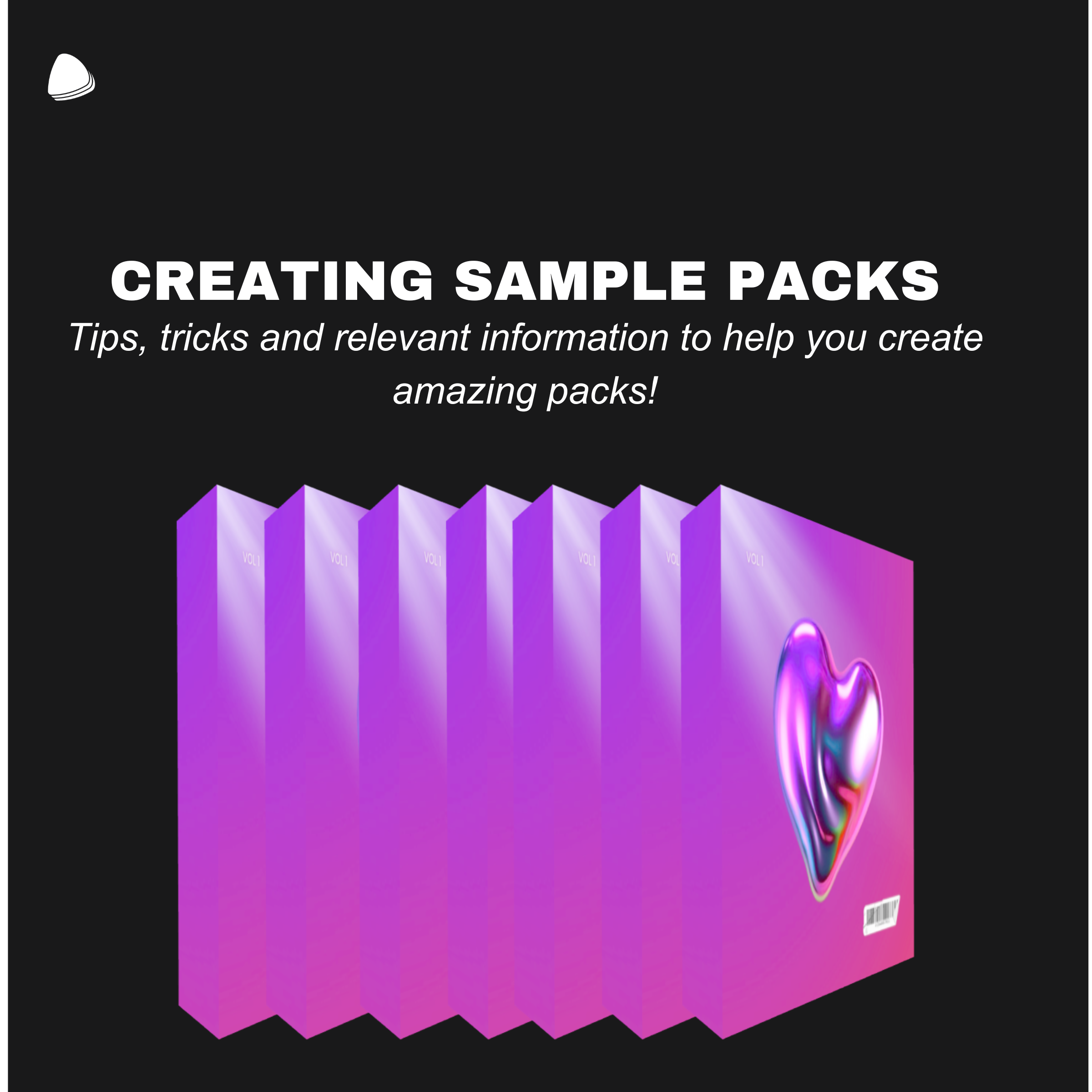
Trakjungle's Sample Pack Box Creator lets you digitally present your sample pack in a professional and eye-catching way. This tool allows you to create a 3D box or other digital representations, boosting its visual appeal to your customers. You can use it for FREE here.
Marketing and Selling Your Sample Pack
A well-planned marketing strategy is essential for success. Target your marketing towards the audience most likely to benefit from your sample pack. Use content marketing, like blog posts, videos, and tutorials, to demonstrate how your samples can be used in production. Additionally, build an email list and send newsletters to announce your sample pack release.
Getting your producer peers to make videos using your pack can also help you get the word out there.
Pricing your sample pack correctly is crucial for attracting buyers. Research similar products on Trakjungle and other platforms to find the average price point. Make sure your price reflects the quality and uniqueness of your samples. You can also use discount strategies, like launch discounts or bundle deals, to encourage purchases.
Utilizing Social Media and Music Production Forums
Social media and forums are powerful promotion tools.
On Instagram, share snippets of your samples, behind-the-scenes content, and engage with the producer community.
Our guide on selling beats on Instagram offers tips that can also apply to sample packs.
On YouTube, create demo videos showing how to use your samples in a project.
Additionally, participate in music production forums on Reddit and even join Discord servers to get feedback from peers in the community.
Maximize your reach by taking advantage of our beta PPC campaigns for music producers service. These campaigns can help you get your sample packs noticed on Google, YouTube, and other platforms. Contact us for more information.
Post-Release Strategies
After your sample pack is live, monitor its performance, sales, downloads, and other key metrics. Pay attention to customer reviews and ratings to identify areas for improvement, and analyze sales trends to determine the best times for promotions or discounts. Engage with customers by thanking them for their purchase and feedback, addressing any issues promptly and professionally, and using constructive feedback to improve your current or future packs.
Keep your sample pack relevant by regularly adding new content, refreshing the artwork or branding, and considering a “Volume 2” or expansion pack based on customer input. To boost sales, create bundles of multiple packs at a discounted price, offer seasonal discounts during holidays or promotional periods, and provide exclusive offers for your newsletter subscribers.
Conclusion
Creating and selling a sample pack involves several key steps. Start by planning—identify your target audience, research trends, and plan your sample pack. In the creation phase, use high-quality equipment and techniques to produce, edit, and organize your samples. Next, focus on packaging by branding your samples and utilizing tools like Trakjungle’s Sample Pack Box Creator. For marketing, promote your sample pack across social media, through collaborations, and other strategies. When selling, upload your pack to platforms like Trakjungle, optimizing your listing for visibility. After the release, monitor sales, gather feedback, and update your pack to keep it relevant.
If you’re ready to turn your sound design skills into a profitable venture, now is the perfect time to start. With platforms like Trakjungle providing tools and support, the process is easier than ever. Whether you aim to supplement your income or build a brand, creating sample packs can be a rewarding and creative path.
To succeed in the sample pack market, always prioritize quality over quantity. Engage with your audience by building relationships with customers and the wider music production community. Finally, stay innovative by continually pushing your creative boundaries to offer something unique in the market.
Start your journey selling sample packs today by setting up your seller account.